
Voltage and Current Sensors
Current Transformers and Hall Effect Sensors for AC and DC Measurement
Model: PE 9900
Voltage and Current Sensors for Measurement and Control
A sensor detects current or voltage in a circuit and gives a proportional signal. Use it to drive an ammeter, log data in a data acquisition system, or control a process.
Certifications
Key Features
1. Current Transformer (CT)
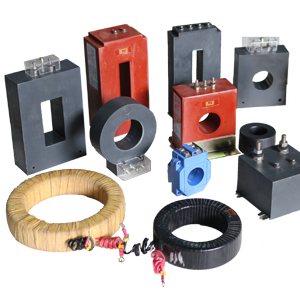
For AC current measurement, such as power lines.
Variants (Primary / Secondary)
Key Points
- MeasuresAC current
- Ratios30/5 to 800/5
- DC currentCannot be sensed
2. Hall Effect Sensors
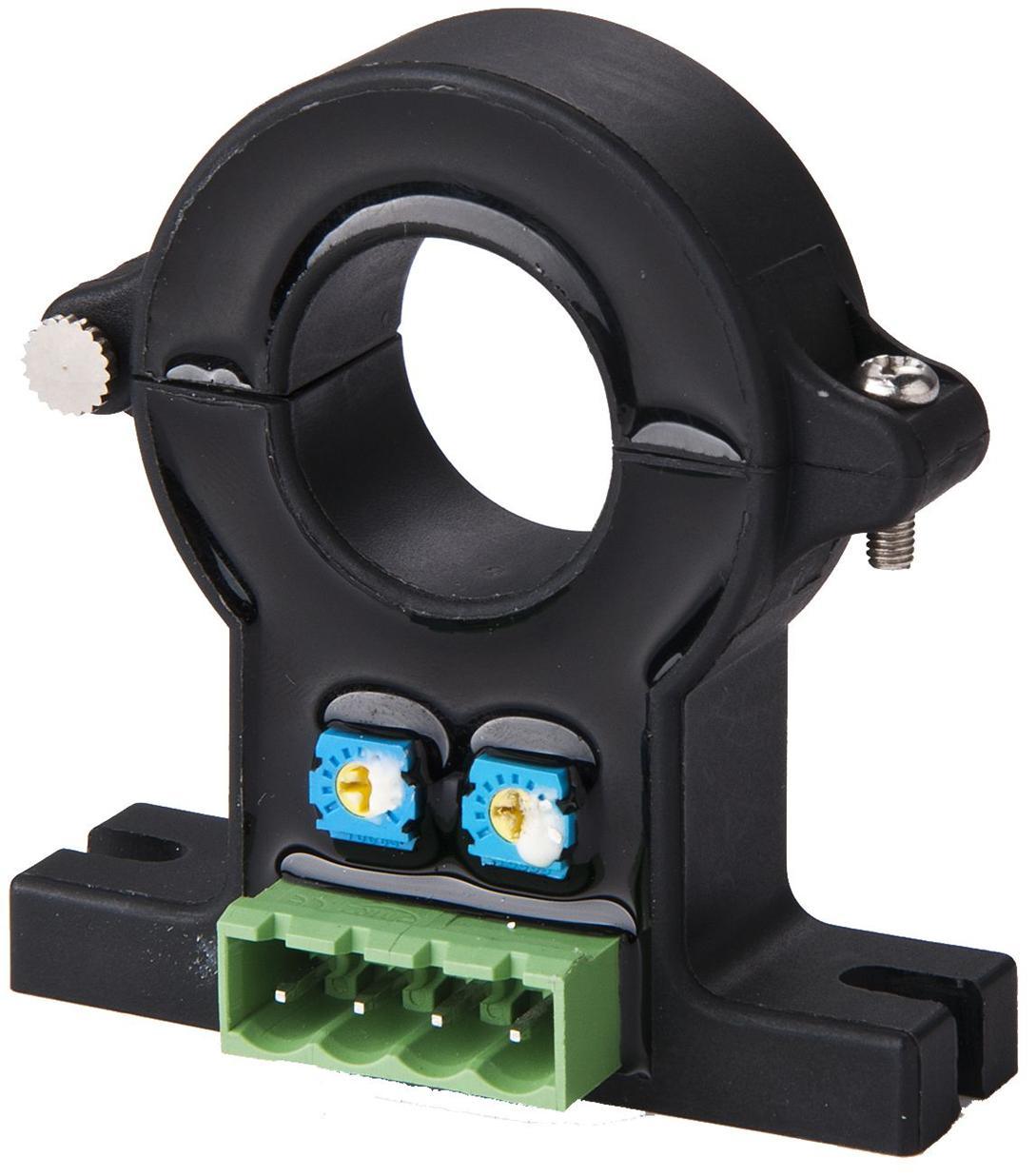
For AC and DC voltage and current, in the type that suits your application.
Types
Key Points
- MeasuresAC / DC voltage and current
- SensingAbsolute current
- PowerSeparate supply needed
CT or Hall Effect Sensor?
| Need | Current Transformer | Hall Effect Sensor |
|---|---|---|
| AC current (e.g. power line) | Suitable | Suitable |
| DC current | Not possible | Suitable |
| Voltage measurement | - | Suitable (AC / DC) |
| Low frequency | Gain falls off below a minimum frequency | Senses absolute current |
| Separate power supply | Not required | Required |
A sense resistor is another option, but its output is not isolated and may need an isolation stage such as an opto-coupler.
Applications
How to Choose a Current or Voltage Sensor
Use these five steps to select the right sensor.
1. AC or DC?
CTs measure AC only. For DC current or voltage, use a hall effect sensor.
2. Pick the type
CT for AC power lines. Hall effect: open loop, closed loop or split core (clamp type).
3. Match the range
CT ratios run from 30/5 to 800/5. Choose the primary current above your maximum load.
4. Check power and output
Hall sensors need a separate supply. Confirm the signal your meter or controller accepts.
5. Ask for a custom sensor
Share your requirement and we will make a sensor to suit.